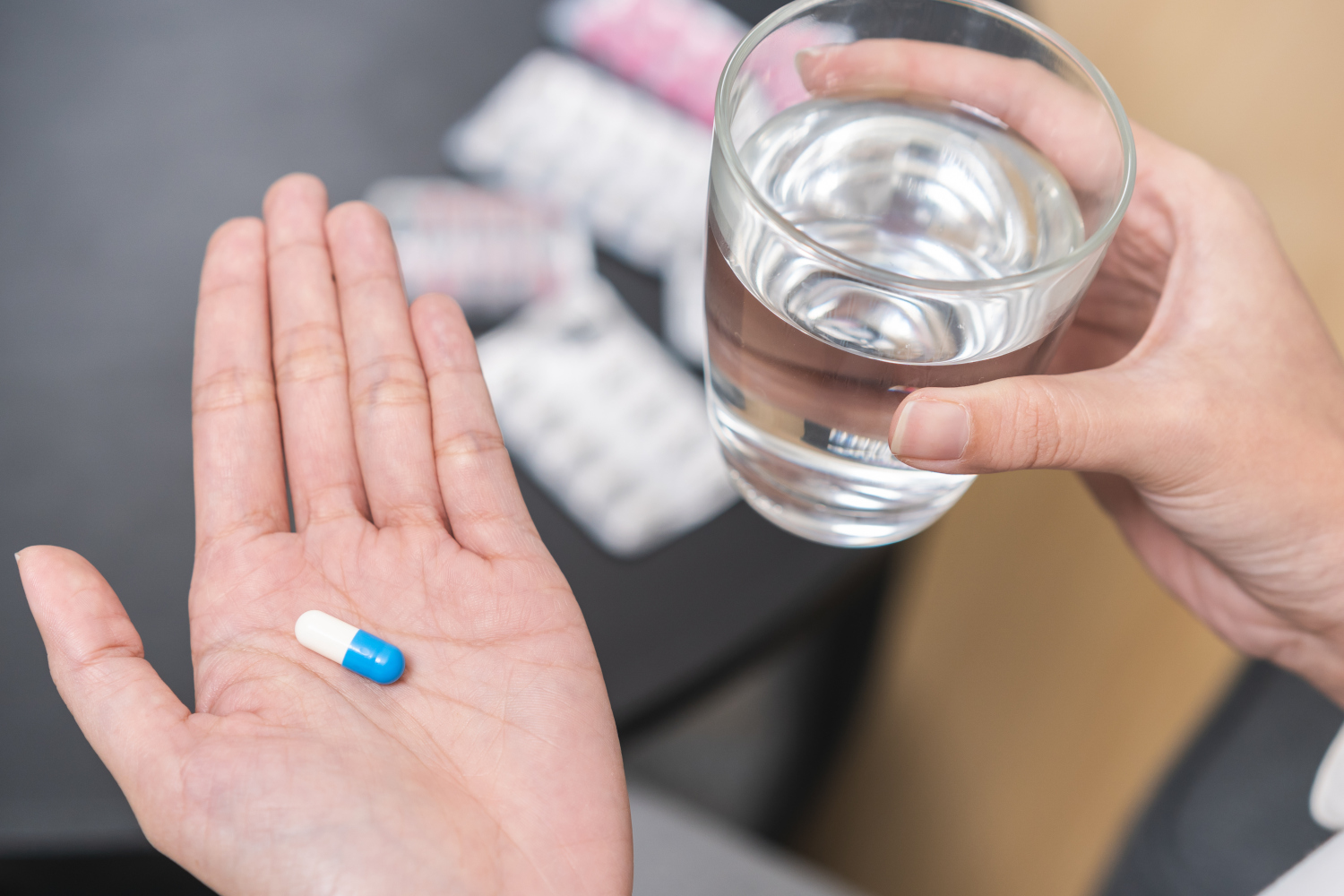
If you are living without a functioning spleen, antibiotics help reduce the risk of infection, but they do not entirely eliminate all risks.
Daily antibiotics
- Your doctor may prescribe a daily antibiotic for extra protection against certain bacterial infections.
- Most people take daily antibiotics for 3 years after spleen removal or being diagnosed with a poorly working spleen (hyposplenism).
- Some people need antibiotics for longer, or even for life.
This is more likely if you:
- Have a weakened immune system (are immunocompromised).
- Have had a serious infection before.
Who may need lifelong antibiotics?
Some people who do not have a functioning spleen may be advised to take antibiotics lifelong.
This is usually considered for people who:
- Have previously had a severe, life-threatening infection after losing spleen function, especially a serious pneumococcal infection.
- Have a weakened immune system due to another medical condition, such as advanced liver disease, low antibody levels, or an organ transplant.
- Had their spleen removed because of a blood cancer or are taking medicines that suppress the immune system.
Your doctor will assess your individual risk and discuss whether lifelong antibiotics are recommended for you.
Keep emergency antibiotics handy
- Always keep a supply of emergency antibiotics:
- At home
- At work
- When travelling
If you develop signs of infection and cannot get medical care quickly, take your emergency antibiotics and go to your nearest hospital emergency department.