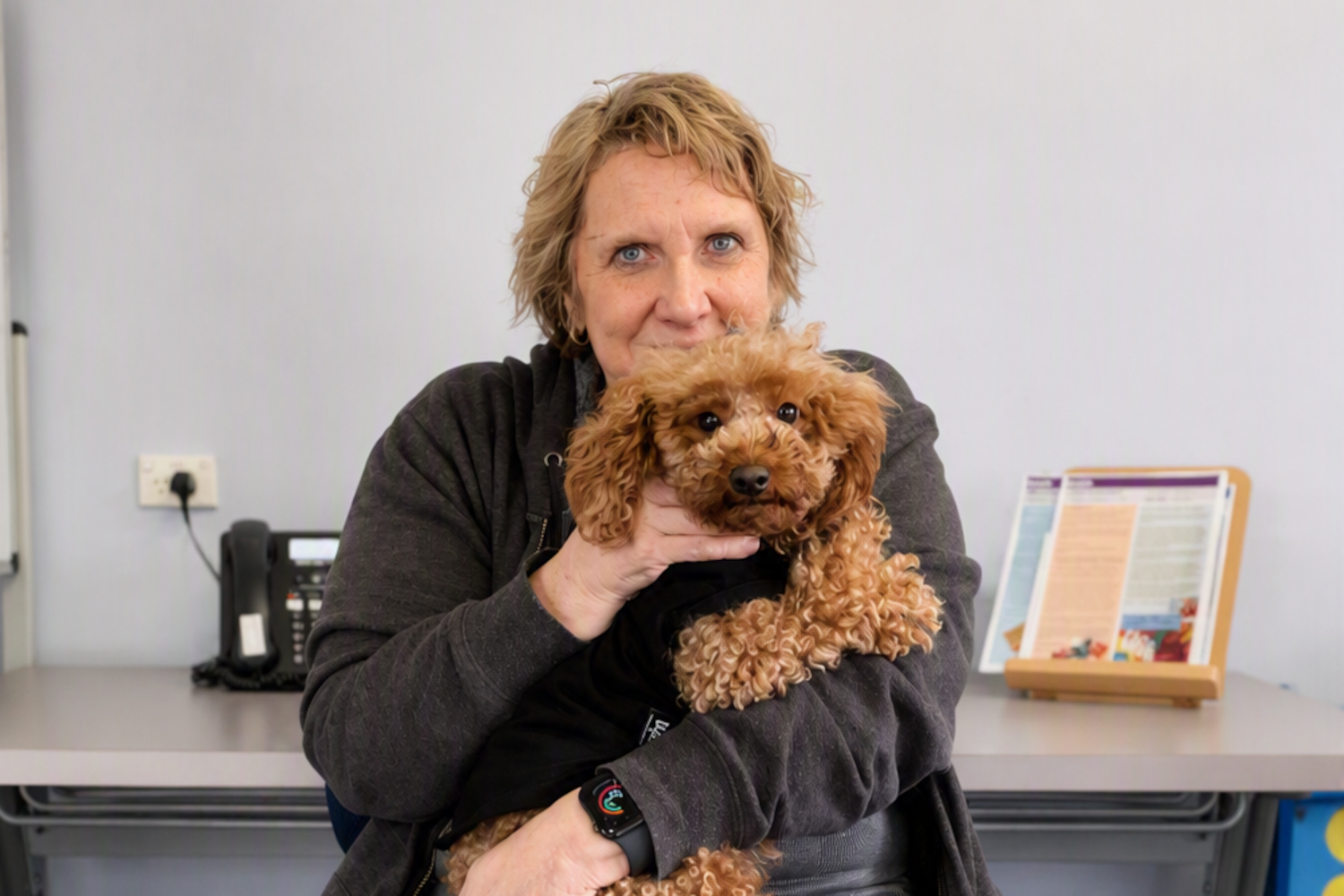
Athlea’s story
Athlea Tyrrell is grateful just to be alive and well. After a serious infection in 2025, things could easily have gone a very different way.
Athlea had lived with a blood condition, Immune Thrombocytopenic Purpura (ITP) for years, and doctors suggested removing her spleen to help treat it. She had surgery back in 1994. Sadly, it didn't fix her symptoms, so she kept trying other treatments over the years.
What nobody told her at the time was just how important the spleen is for fighting infection; and what life without one really means.
She'd never heard of Spleen Australia, so she missed out on readily available important information, how to avoid bacterial infections, and what to do if she ever showed signs of one.
From unwell to intensive care
Back in March 2025, Athlea started to feel unwell. At first, she didn't think much of it, but after a couple of days she got much worse, vomiting, followed by diarrhoea, and a terrible headache. She felt awful, and her husband called an ambulance.
It took over an hour to arrive, and by then her speech had started to slur. She didn't mention to the responding medical team that she had no spleen. The issue never seemed like something worth bringing up.
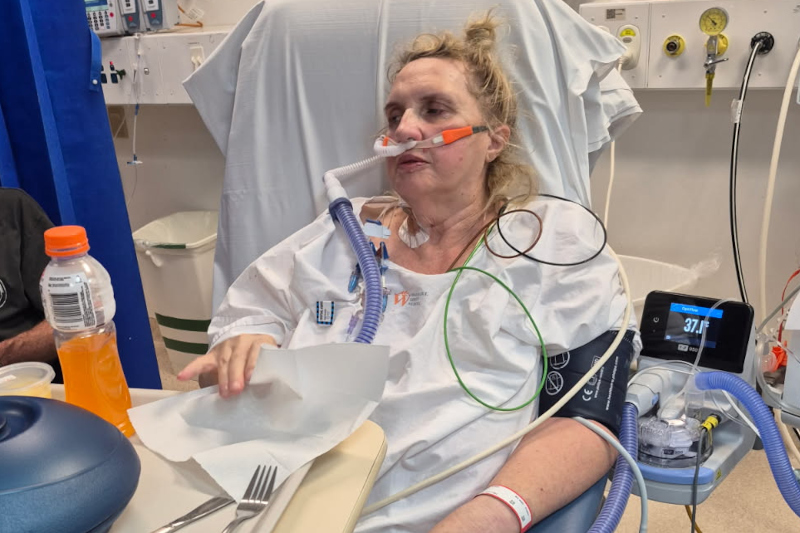
By the time Athlea reached Monash Medical Centre, things were a blur, and she remembers little after that. She was rushed to Intensive Care and diagnosed with pneumococcal meningitis.
Her ankle also became infected, and she ended up spending over two weeks in hospital. After going home, she needed six more weeks of antibiotics through a drip.
Thankfully, Athlea came through it all without any lasting damage.
Not fully aware of the risks
While she was in hospital, her doctor signed her up with Spleen Australia. Once she'd recovered, one of our nurses gave her a call.
"I was so relieved to find a service like Spleen Australia," Athlea says. "It's wonderful knowing there's someone I can turn to with my questions. I wasn't up to date with my vaccinations, and now my GP knows exactly what I need going forward."
Athlea now takes a daily antibiotic and will be for life. Something doctors recommend for anyone who's survived an OPSI (a severe infection that can happen after spleen removal). She doesn't mind at all: "I'd do anything to avoid going through that again."
These days, Athlea knows the warning signs of infection and understands the need for fast treatment. "I'd lived 30 years without a spleen and thought I was fine," she says. "I had no idea I was at risk of a serious infection my whole life."
Athlea's lived experience has resonated directly to her family and a legacy that has led to being involved in the healthcare industry. Her daughter, Mal, has decided to pursue nursing as a career due to Athlea's exposure to spleen infection.
Athlea's story is a powerful reminder of just how important it is to stay informed and protected if you're living without a working spleen. We're so grateful that she shared it with us.
If you would like to share your spleen story please get in contact with us. We would love to hear from you.
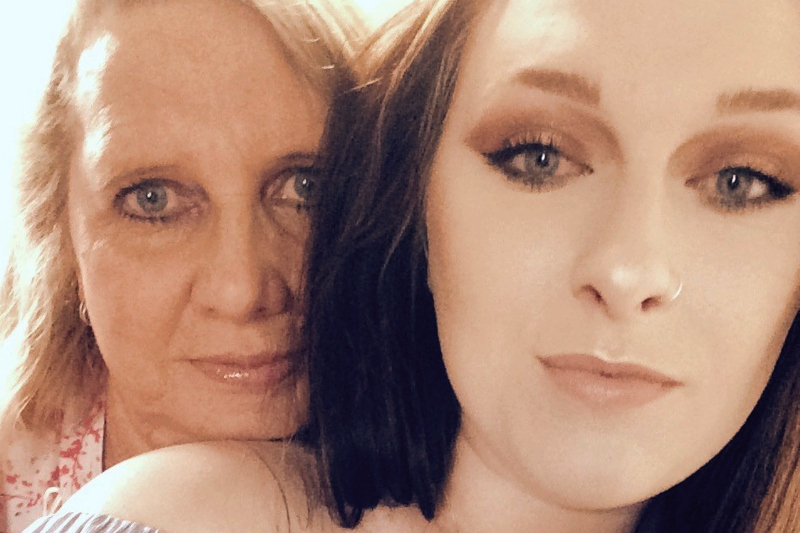
Athlea and her daughter Mal, who has entered into a medical career